Apartment cleaning guide Headstone HA1: a practical, local-friendly approach to a cleaner flat
If you live in a flat in Headstone HA1, you already know the drill: space is tighter, dust seems to settle in the same awkward corners, and one messy weekend can make the whole place feel smaller than it is. A good apartment cleaning guide for Headstone HA1 should do more than list chores. It should help you clean smarter, not harder, and give you a routine that actually fits real life.
Whether you're keeping on top of weekly cleaning, preparing for guests, tackling post-move grime, or trying to get a rental ready for inspection, the right method matters. In this guide, you'll find a clear step-by-step approach, common mistakes to avoid, a practical checklist, and advice on when it makes sense to bring in professional help. If you're also thinking beyond the flat itself, you may find it useful to browse the wider services overview for related cleaning options.
Let's face it, apartment cleaning is rarely glamorous. But done well, it gives you more breathing room, fewer last-minute panic cleans, and a home that feels properly looked after. And that does make a difference.
Table of Contents
- Why Apartment cleaning guide Headstone HA1 Matters
- How Apartment cleaning guide Headstone HA1 Works
- Key Benefits and Practical Advantages
- Who This Is For and When It Makes Sense
- Step-by-Step Guidance
- Expert Tips for Better Results
- Common Mistakes to Avoid
- Tools, Resources and Recommendations
- Law, Compliance, Standards, or Best Practice
- Options, Methods, or Comparison Table
- Case Study or Real-World Example
- Practical Checklist
- Conclusion
- Frequently Asked Questions
Why Apartment cleaning guide Headstone HA1 Matters
Apartment cleaning in Headstone HA1 matters for the same reason it matters anywhere, but flats bring a few extra realities. Rooms are often compact, storage is limited, and dust, cooking residue, pet hair, and everyday clutter can build up faster than people expect. In a small space, a bit of neglect shows quickly. One unclean sink or hallway shoe pile can affect the whole feel of the property.
There is also a practical side. Clean homes are easier to live in, easier to maintain, and often easier to hand over when you move out. If you rent, a cleaner apartment can reduce stress before inspections or the end of a tenancy. If you own, regular cleaning helps protect finishes, soft furnishings, and appliances. A little effort goes a long way. Truth be told, the difference between "tidy" and "properly clean" is often more noticeable in apartments than houses.
For local readers comparing domestic support options, domestic cleaning in Harrow on the Hill is a useful nearby service page to explore alongside this guide. It can help you judge whether you want a one-off deep clean or ongoing help.
And because flats often share walls, ventilation routes, or communal areas, cleanliness is not just about appearance. Cooking smells, damp patches, blocked extractor fans, and dusty vents can spread inconvenience fast. A sensible routine helps keep those problems from snowballing.
How Apartment cleaning guide Headstone HA1 Works
A good apartment cleaning system is built on zones, frequency, and sequence. The idea is simple: instead of cleaning randomly, you work from top to bottom, dry to wet, and clean areas in a logical order so you are not redoing work. Small flat, big difference.
Start by separating tasks into three levels:
- Daily maintenance: dishes, surfaces, bins, quick wipe-downs, and a 5-minute tidy-up.
- Weekly cleaning: vacuuming, mopping, bathroom sanitising, bed linen changes, and kitchen degreasing.
- Deep cleaning: behind appliances, skirting boards, window tracks, inside cupboards, limescale removal, and upholstery care.
This layered approach is especially helpful in Headstone HA1 apartments where space can be limited and one missed task quickly becomes two. A Friday evening spill that is wiped immediately is a nuisance; the same spill left until Sunday becomes a scrubbing job. Not ideal when you'd rather be out enjoying the weekend.
Cleaning also works better when you match the method to the material. Laminate, tile, painted walls, stainless steel, fabric sofas, and carpet all need different care. If you're unsure whether your flooring or furniture needs specialist treatment, it may be worth looking at carpet cleaning in Harrow on the Hill or upholstery cleaning in Harrow on the Hill for a more targeted solution.
Key Benefits and Practical Advantages
The biggest benefit of a structured apartment cleaning plan is control. When you know what gets cleaned, when, and how, the whole job becomes less overwhelming. That sounds basic, but it's one of the main reasons people fall behind. They don't lack effort; they lack a system.
Here are the practical advantages:
- Less stress: A routine breaks the job into manageable pieces.
- Better hygiene: Kitchens and bathrooms stay healthier and more pleasant to use.
- Longer-lasting surfaces: Regular care reduces build-up and wear.
- Faster tidying: When clutter has a place, the flat is easier to reset.
- Improved presentation: Helpful if you are hosting, selling, or moving out.
- Lower chance of forgotten mess: Hidden areas are checked before they become problems.
There's also a quieter benefit that people don't always mention: a clean apartment feels calmer. Morning coffee tastes better when the sink is clear and the worktops are wiped. It's a small thing, but small things add up.
If you are preparing a property for market, cleaning can support the wider presentation strategy. You may also want to read Harrow property sale strategies for a broader view on how presentation influences buyer perception.
Who This Is For and When It Makes Sense
This guide is for anyone living in, managing, or preparing an apartment in Headstone HA1. That includes tenants, first-time buyers, landlords, busy professionals, sharers, and people getting a flat ready for sale or let. Different situations, same underlying need: the place has to look and feel cared for.
It makes particular sense if you are:
- trying to keep on top of a busy schedule
- moving in or moving out
- dealing with pet hair, dust, or cooking residue
- preparing for an inspection or inventory check
- hosting guests and wanting the flat to feel fresh
- managing a rental and aiming to reduce complaints
There are times when DIY is enough, and times when a professional clean makes more sense. If the flat is lived-in but manageable, a regular routine usually does the job. If there is heavy grime, tight turnaround time, stained carpet, or a tenancy deadline, a specialist service may save you a lot of trouble. To be fair, many people only realise this when they are already holding a sponge at 10pm.
For move-related situations, the end of tenancy cleaning service is worth considering, especially if you need a more thorough and structured result.
Step-by-Step Guidance
A sensible apartment clean starts with a plan. Don't begin in the middle of the living room and hope for the best. That route usually leads to unfinished rooms and a fresh feeling of regret.
1. Clear the clutter first
Gather items that don't belong in each room. Put away clothes, mail, mugs, cables, shopping bags, and anything else that has drifted. Cleaning around clutter is slower and less effective. A clean surface needs space.
2. Open windows where safe and practical
Fresh air helps reduce that stale, stuffy feeling. In a flat, especially after cooking or winter heating, the room can smell cleaner almost immediately once you let air move through. Just use common sense and keep security in mind.
3. Dust high to low
Start with light fittings, shelves, frames, and tops of cupboards, then move down to tables, skirting boards, and lower surfaces. This stops dust falling onto areas you've already cleaned.
4. Tackle the kitchen properly
Kitchen cleaning deserves focus because grease spreads. Clean the hob, splashback, sink, handles, worktops, bin area, and appliance fronts. If you notice build-up inside the oven, around extractor fans, or along cupboard edges, slow down and deal with it carefully. That detail is often what separates a decent clean from a proper clean.
5. Sanitize the bathroom
Use a bathroom-safe cleaner on the basin, toilet, taps, tiles, and shower area. Limescale is common in many London homes, so check around shower screens and taps. Don't forget the grout, mirror, and behind-the-toilet zones. Yes, behind there too. Nobody likes it, but it matters.
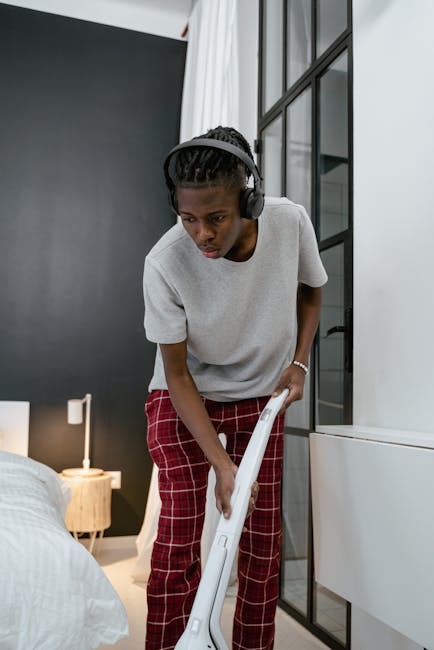
6. Clean soft furnishings and floors
Vacuum carpets, rugs, and fabric seating carefully. In compact flats, crumbs and dust often collect where furniture meets the wall. Mop hard floors with an appropriate solution, but don't leave excess water behind. Small apartment, small puddles, big annoyance.
7. Finish with touch points
Wipe door handles, switches, remote controls, cupboard pulls, and banisters. These are the places people touch constantly but often forget to clean. Once you do, the flat instantly feels fresher.
8. Check the final details
Take one slow walk-through. Look at the floor corners, mirrors, sink edges, windowsills, and behind doors. It is usually the final 5% that makes the biggest visual difference.
Expert Tips for Better Results
Experienced cleaners tend to think in patterns. Once you notice those patterns, the whole job gets easier.
- Use two cloths for important areas: one for wiping, one for drying. It stops streaks and smears.
- Let products dwell: give bathroom and kitchen cleaners a few minutes to work before wiping.
- Work room by room: finishing one space feels better than partially cleaning four.
- Use the right attachment: a vacuum crevice tool is brilliant for skirting boards, sofa gaps, and edges.
- Do the dirty job first: if the oven or shower needs serious effort, get it out of the way early.
- Keep a small caddy ready: that alone can save ten minutes of wandering around the flat looking for spray bottles.
If your apartment has stubborn carpet marks or older upholstery, consider whether targeted specialist treatment would help. A light clean can improve the look, but worn fibres and embedded dirt often need more than a quick pass. For broader support in that area, the page on house cleaning in Harrow on the Hill can help you understand how a more complete home clean is typically approached.
One simple but effective habit: clean as you cook. Wipe a splash while the pan is still warm, and you'll save yourself a stubborn mess later. It sounds obvious. People still forget, constantly.
Common Mistakes to Avoid
A lot of apartment cleaning problems come from rushing or using the wrong method. Here are the ones that show up most often.
- Cleaning in the wrong order: If you mop before dusting, you'll likely need to mop again.
- Using too much product: More cleaner does not mean more clean. Often it just leaves residue.
- Ignoring hidden areas: Behind radiators, under beds, and around appliance edges are easy to forget.
- Mixing cleaning products: Never combine chemicals unless a label clearly says it is safe.
- Leaving damp fabric: Sofas, cushions, and mattresses can hold moisture longer than you think.
- Trying to do everything at once: That's the fast track to fatigue and half-finished work.
Another common issue is assuming that a flat only needs visible cleaning. It doesn't. Air vents, extractor fan covers, cupboard tops, and bathroom seals all influence how fresh a home feels. You might not notice them when they're clean, but you definitely notice them when they're not.
If you are dealing with a move, don't underestimate the value of a professional deep clean. A missed corner or dusty skirting board can be the exact kind of thing that gets noticed during handover.
Tools, Resources and Recommendations
You do not need a cupboard full of gadgets to clean an apartment well. In fact, too many products can slow you down. A simple, reliable kit usually works best.
| Tool or product | Best use | Why it helps |
|---|---|---|
| Microfibre cloths | Dusting, wiping, polishing | They pick up fine dust well and reduce streaking |
| Vacuum with attachments | Floors, edges, upholstery, corners | Makes small-space cleaning faster and more precise |
| Mop with wringer or spray head | Hard floors | Helps control water use in compact rooms |
| Bathroom cleaner | Tiles, taps, shower screens | Useful for soap scum and limescale build-up |
| Degreasing spray | Kitchen hobs, splashbacks, cabinet fronts | Useful for cooking residue and fingerprints |
| Soft brush or old toothbrush | Grout, taps, seals, grooves | Helps reach small details without scratching surfaces |
For practical support that goes beyond a standard tidy, some residents prefer a recurring domestic service. Others only want a one-off reset after a busy period or tenancy change. If that sounds like you, the house cleaning option can be a useful comparison point, even for apartment living.
And if carpets are part of the problem rather than just the background, a dedicated clean can lift the whole room more than people expect. Sometimes the floor is doing more visual work than the furniture.
Law, Compliance, Standards, or Best Practice
For most apartment cleaning jobs, there is no special legal complexity, but there are still important standards and best practices to keep in mind. If you clean your own home, the main concerns are safety, product use, and avoiding damage. If you are managing a let or preparing a tenancy handover, records and condition matter more.
In shared buildings, be considerate of neighbours and building rules. Noise, hallway clutter, bin storage, and disposal of waste all matter. Wet floors in communal spaces can create slip risks, so keep equipment contained and dry areas properly before moving on. It sounds obvious, but common sense is often what prevents avoidable headaches.
From a safety standpoint, follow product instructions carefully, ventilate when using stronger cleaners, and never mix chemicals. Use gloves if the product suggests it, and be cautious on delicate surfaces. If you're dealing with mould-like staining, persistent damp, or anything that could be structural rather than cosmetic, it's better to pause and assess than to scrub blindly.
For service users, it's also sensible to work with companies that explain their processes clearly. Pages like insurance and safety and health and safety policy are useful signals when you want reassurance before booking.
If the cleaning job involves access arrangements, payments, or service terms, you may also want to review terms and conditions and payment and security so there are no surprises later. A little admin now saves awkwardness later.
Options, Methods, or Comparison Table
There is no single right way to clean an apartment in Headstone HA1. The best approach depends on time, budget, and how deep a clean you actually need. Here is a straightforward comparison.
| Method | Best for | Strengths | Limitations |
|---|---|---|---|
| DIY weekly clean | Routine upkeep | Low cost, flexible, easy to repeat | Can miss hidden grime and take more time than expected |
| DIY deep clean | Seasonal resets, pre-visit tidy-ups | Good control over detail, no booking needed | Physically demanding, easy to underestimate effort |
| Professional domestic clean | Busy households, regular upkeep | Consistent standard, less time pressure | Less hands-on control than DIY |
| End of tenancy clean | Move-out situations | More thorough, focused on handover expectations | Usually more detailed and therefore more involved |
| Targeted specialist cleaning | Carpets, upholstery, problem areas | Handles stubborn marks and embedded dirt well | May not cover the whole flat |
If you are weighing up which route to take, start with the mess itself. Is it mostly surface-level? Is it a carpet issue? Are you trying to save time before a move? That answer usually points you in the right direction. For specialist floor and fabric care, carpet cleaning and upholstery cleaning are often the most relevant add-ons.
Case Study or Real-World Example
Here's a realistic example. A one-bedroom apartment in Headstone HA1 has a busy professional occupant, a small hallway, a combined kitchen-living room, and a bathroom that sees a lot of steam. Over a few weeks, the space starts to feel tired: fingerprints on cupboard doors, light crumbs near the sofa, limescale around the tap, and carpet marks by the bed.
Instead of trying to do everything in one rushed session, the cleaner splits the work into two parts. First, they declutter and dust, then handle the kitchen and bathroom properly. The second pass is for floors, soft furnishings, and final touch points. The whole flat changes character. Not brand new, obviously, but noticeably fresher and easier to live in.
The real win is not just visual. The person living there can keep it that way with less effort afterwards because the baseline is cleaner. That is often how a good clean pays off: not just in the moment, but in the weeks after. You stop fighting the same mess again and again.
If the same flat were being prepared for a tenancy change, the priorities would shift slightly. The cleaning would become more detail-heavy, with extra attention on hidden grime, fixtures, and carpets. That's where a more focused service may make sense, especially if you want to avoid the last-minute scramble.
Practical Checklist
Use this checklist as a simple reset for apartment cleaning in Headstone HA1. It works well before guests, after a busy week, or before arranging a more detailed service.
- Declutter all visible surfaces
- Empty bins and replace liners
- Dust shelves, skirting boards, and light switches
- Wipe door handles, remotes, and cupboard pulls
- Clean kitchen worktops, hob, sink, and splashback
- Scrub bathroom basin, toilet, taps, and shower area
- Check mirrors and glass for streaks
- Vacuum carpets, rugs, and sofa gaps
- Mop hard floors with the right solution
- Look behind doors and under furniture
- Air the flat for a fresh finish
- Do one final walk-through and fix missed spots
Expert summary: the best apartment cleaning routine is the one you can keep up with. A tidy, repeatable system beats heroic occasional scrubbing every time. If you are short on hours, focus on the kitchen, bathroom, floors, and touch points first. Those are the areas people notice most, and they affect how the whole flat feels.
Conclusion
A strong apartment cleaning guide for Headstone HA1 should help you build a routine that matches real life, not an idealised version of it. Clean in the right order, focus on the highest-impact areas, and do not overlook the little details that make a flat feel genuinely cared for. That is how you keep the job manageable.
Whether you are maintaining a lived-in home, preparing for guests, or getting ready to move, the most useful habit is consistency. A bit of regular attention saves a lot of effort later. And if the flat needs more than a quick reset, there is nothing wrong with getting support.
Get a free quote today and see how much you can save.
For more context about the local area and the kinds of properties people keep in and around Harrow, you might also enjoy reading a local guide to Harrow, a local's viewpoint on Harrow, or the rich history of Harrow in London. If you are exploring broader reasons people move, invest, or sell in the area, the site's articles on property investment insights and property sale strategies can add useful perspective.
And if you ever want a fresh, clean starting point, that is still possible. One room at a time. One good habit at a time. It all counts.
Frequently Asked Questions
How often should I clean an apartment in Headstone HA1?
For most flats, a light daily reset and a weekly clean work well. Kitchens and bathrooms usually need the most regular attention, while deep cleaning can be done monthly or seasonally depending on use.
What is the best order to clean a flat?
Start by decluttering, then dust from top to bottom, clean the kitchen and bathroom, and finish with floors and touch points. That sequence avoids redoing work and gives a better result.
Should I use different products for different rooms?
Yes. Kitchens, bathrooms, floors, glass, and upholstery often need different products or methods. Using one cleaner for everything may seem easier, but it usually gives poorer results and can damage some surfaces.
What should I focus on if I only have 30 minutes?
Prioritise visible high-impact areas: kitchen surfaces, bathroom fixtures, floors, and clutter. If you have time left, wipe handles, switches, and mirrors. Those small details make the apartment feel much fresher.
Is apartment cleaning different from house cleaning?
Yes, a little. Apartments usually have less space, more concentrated mess, and fewer storage options, so speed and sequence matter more. The method is similar, but the routine has to be tighter.
When does it make sense to hire a professional cleaner?
It makes sense when you are short on time, need a deep clean, are moving out, or have problem areas like carpets and upholstery. If the job feels bigger than a normal weekly clean, professional help can save stress.
Can a regular domestic clean help before an inspection?
Yes, absolutely. A regular clean can keep the main living areas tidy and presentable. If the inspection is more formal or the flat needs a deeper reset, you may want to add specialist cleaning or a more detailed service.
How do I stop my flat from smelling stale?
Open windows when practical, empty bins regularly, clean soft furnishings, and make sure kitchen and bathroom moisture is managed properly. Often the issue is a mix of stale air, damp textiles, and overlooked waste.
What are the hardest parts of apartment cleaning?
Most people struggle most with kitchens, bathrooms, and hidden dust zones like behind furniture or under beds. These areas take longer than expected and are easy to miss in a quick clean.
Do carpets and upholstery need separate care?
Usually, yes. Vacuuming helps, but embedded dirt, stains, and odours often need more than a standard surface clean. If fabrics are starting to look tired, specialist treatment is worth considering.
How can I keep cleaning costs under control?
Staying on top of routine cleaning is the simplest way. It reduces the need for heavy deep cleans later. If you do book help, being clear about the flat size, condition, and priorities usually leads to a better fit and fewer surprises.
Where can I find more information about service options and trust policies?
It is sensible to review the relevant service pages, including about us, pricing and quotes, and complaints procedure. That gives you a better sense of what to expect before booking.