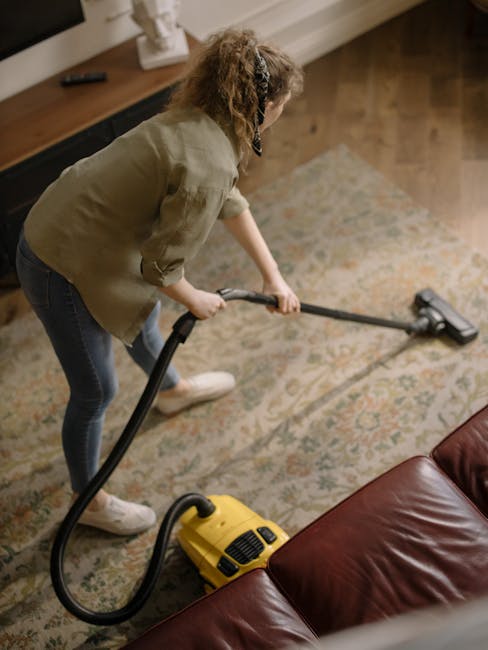
Common carpet cleaning mistakes Harrow landlords regret
If you let property in Harrow, you already know carpet care is never just about looking tidy. It affects deposit disputes, tenant move-in readiness, hygiene, and how quickly a flat or house feels "properly turned over" after a tenancy ends. The problem is that the common carpet cleaning mistakes Harrow landlords regret are usually the quiet ones: a rushed clean, the wrong product, too much water, or leaving a stain because "it will probably come out later".
Truth be told, a carpet can look fine at first glance and still be hiding odour, residue, or damage that only shows up after the room has warmed up and the windows are closed. That's when regrets begin. In this guide, we'll walk through the mistakes landlords most often make, why they matter, how professional cleaning actually works, and what to do instead so you protect both your property and your peace of mind.
- Why this matters for Harrow landlords
- How carpet cleaning works in practice
- Key benefits of doing it properly
- Who needs this and when
- Step-by-step guidance
- Expert tips for better results
- Common mistakes to avoid
- Tools, resources and recommendations
- Compliance and best practice
- Methods compared
- Real-world example
- Practical checklist
- Conclusion
- Frequently asked questions
Why Common carpet cleaning mistakes Harrow landlords regret Matters
Carpets do a lot of invisible work in rental homes. They absorb foot traffic, cooking smells, pet odours, dust, and the odd spill that no one mentions at checkout. In a busy area like Harrow, where tenancies can change quickly, landlords often feel pressure to get a property back on the market fast. That pressure is exactly where mistakes creep in.
Why does it matter so much? Because a poor carpet clean can trigger a chain reaction:
- stains reappear after drying
- odours remain trapped in the pile
- over-wetting leads to slow drying and mildew risk
- harsh chemicals can bleach or distort fibres
- heavy residue attracts dirt faster than before
- tenant disputes become harder to resolve fairly
And to be fair, many landlords are not trying to cut corners. They just assume a standard vacuum and a shop-bought machine will be "good enough". Sometimes it is. Often it isn't. Especially in family lets, HMOs, or older properties where carpets have been through a few seasons of life.
Expert summary: The biggest carpet cleaning regret is usually not that a landlord cleaned too little; it is that they cleaned in the wrong way and caused extra damage, extra delay, or extra disagreement.
It also affects presentation. A clean carpet changes the whole feel of a room. You notice it immediately when you step in: less stale smell, brighter light, fresher air. When that doesn't happen, the property can feel tired even after decorating.
How Common carpet cleaning mistakes Harrow landlords regret Works
Understanding how carpet cleaning works helps you see where problems start. Most carpets need four things handled properly: soil removal, stain treatment, fibre-safe cleaning, and drying. Miss one of those, and the result can be patchy at best.
In practical terms, a good clean usually follows this kind of logic:
- Inspect the carpet first. Check fibre type, wear areas, stains, traffic lanes, and any signs of previous treatment.
- Vacuum thoroughly. Dry soil must come out before any wet cleaning begins, or it turns into muddy residue.
- Pre-treat problem areas. This may include spots, drink spills, pet marks, or heavier grime near entrances.
- Choose the right cleaning method. Hot water extraction, often called steam cleaning, is common, but not every carpet or stain behaves the same way.
- Control moisture and agitation. Too much water or too much scrubbing can distort pile and backing.
- Rinse or extract properly. Residue left behind can make the carpet resoil quickly.
- Dry with airflow and time. Fast drying matters more than people think. Damp carpets are awkward, and frankly a bit bleak.
In a landlord context, this process needs to work around turnaround pressure. One property might need a rapid refresh between tenancies, while another may need more focused stain removal after a long stay. That's why a one-size-fits-all approach often fails.
Here's a small but real-world point: the stain you can see is not always the main problem. A coffee mark may be visible on day one, but the bigger issue is the brown ring that comes back on day three because the base of the fibre was never fully rinsed. Annoying? Absolutely.
Key Benefits and Practical Advantages
Doing carpet cleaning properly gives landlords more than just a decent-looking floor. The gains are practical and, in many cases, financial.
- Better first impressions: New tenants notice fresh carpets within seconds.
- Lower dispute risk: A documented, sensible cleaning process is easier to defend than a vague "we cleaned it".
- Reduced wear over time: Dirt acts like sandpaper. The more it sits, the faster fibres flatten.
- Fewer odour complaints: This is especially useful in pet-friendly lets or properties with older underlay.
- Faster re-letting: Clean, dry, presentable rooms photograph better and show better.
- Better hygiene overall: Carpets can hold allergens and dust, so a proper clean supports a healthier environment.
A landlord in Harrow with a two-bedroom flat and light wear may only need periodic maintenance. Another with a high-turnover rental or a property near busy roads may need more regular intervention. The advantage is not just appearance. It is control. You are deciding the condition of the asset rather than reacting to it after the fact.
There is also a subtle benefit that gets overlooked: confidence. When you know the carpets have been dealt with properly, you are less likely to second-guess every dark patch or worry that a tenant will raise issues later. That mental load matters more than people admit.
Who This Is For and When It Makes Sense
This topic is most useful for landlords, letting agents, and property managers, but also for accidental landlords who suddenly find themselves trying to hand over a property in decent shape. It's for anyone who has looked at a carpet and thought, "That should be fine, surely," only to regret the decision later.
It makes sense to think about proper carpet cleaning in these situations:
- before a new tenancy begins
- after a tenancy ends, especially if there are stains or odours
- when preparing a property for marketing photos or viewings
- after pet damage, drink spills, or heavy footfall
- when a carpet has been cleaned badly before and needs rescue work
- when you want to extend the life of a decent carpet rather than replace it
Some landlords only think about carpets when a tenant leaves them looking visibly worn. That's usually late in the day. The better time is before the problem becomes obvious. Not glamorous, but sensible.
Step-by-Step Guidance
If you want to avoid the mistakes Harrow landlords regret, a simple process helps a lot. Nothing fancy. Just systematic.
1. Inspect the carpet in daylight
Take a slow look near doors, under tables, along skirting edges, and in the middle of walkways. Daylight shows what indoor lighting hides. You will often spot crushed pile, faded traffic lanes, or old spill marks that need more than a quick once-over.
2. Identify the fibre and any risk areas
Wool, synthetic blends, and older fitted carpets can react differently to moisture and detergent. If you are unsure, test carefully before applying anything widely. A small hidden patch is better than a large visible mistake. Obvious, but it gets skipped all the time.
3. Vacuum more than you think you need to
Dry debris should come out first. A proper vacuum removes grit that would otherwise become sludge during wet cleaning. It also makes stain treatment more effective. Skipping this step is one of the easiest ways to waste time and water.
4. Pre-treat stains properly
Use targeted treatment for specific marks rather than dousing the whole carpet. Grease, tea, pet accidents, and ink do not all behave the same. If pet odours are involved, a dedicated approach matters, which is why some properties benefit from pet stain and odour removal before anything else.
5. Clean methodically, not aggressively
Work in sections. Keep passes even. Do not scrub the living daylights out of one patch while barely touching the next. Heavy agitation can fuzz fibres or spread staining deeper.
6. Extract and dry thoroughly
Drying is where many DIY jobs fail. Open windows where sensible, use airflow, and avoid putting furniture back too quickly. If the carpet still feels clammy after a few hours, it probably needs more extraction or better ventilation.
7. Check the result after drying
Once dry, inspect again. Some stains only reappear after the fibres settle and moisture rises back to the top. If that happens, a second targeted treatment may be needed rather than another full soak. Small detail, big difference.
Expert Tips for Better Results
There are a few habits that make a dramatic difference, and they're all pretty straightforward once you know them.
- Match the method to the carpet: Not every job needs the same level of moisture or heat.
- Treat spots, not the universe: Over-treating can spread residue beyond the stain.
- Use the right amount of product: More solution is not more cleaning. Usually it is just more rinsing.
- Keep an eye on drying time: A carpet that stays damp for too long can smell off, even if it looks clean.
- Focus on edges and entrances: These areas often tell the real story of the property.
- Document the condition: Before-and-after notes help if there is any later discussion about checkout condition.
One more practical insight: if the property has matching soft furnishings, the same thinking applies elsewhere. A cleaner carpet with a grubby sofa beside it can still make the room feel untidy. That's where services like sofa cleaning and upholstery cleaning can make the whole space feel properly refreshed.
And yes, sometimes the difference between "fine" and "really decent" is just about paying attention to the awkward corners. The edges. The stairs. The patch behind the radiator. Always the patch behind the radiator.
Common Mistakes to Avoid
This is the heart of it. These are the errors landlords most often regret because they create avoidable cost, delay, or tension.
Using too much water
Flooding carpet fibres is a classic mistake. Excess moisture can seep into underlay, slow drying, and leave a stale smell. It can also cause wicking, where hidden dirt or stains rise back up after drying.
Cleaning stains without identifying them first
Tea, red wine, coffee, grease, pet urine, and paint each need a different approach. Treating them all with one generic product is a bit like using one key for every lock in the building. Brave, but not clever.
Scrubbing hard in one spot
Scrubbing often damages pile before it removes the stain. It can also spread the mark out wider, which makes the patch even more noticeable.
Leaving cleaning until the last minute
Rushed work tends to be sloppy work. If the carpet is still damp when new tenants arrive, you have created a problem that did not need to exist.
Ignoring underlay or odour issues
Sometimes the surface looks fine, but the smell suggests something deeper. This is common after pet accidents or repeated spillages. If the underlay is affected, the surface clean alone may not solve it.
Using the wrong cleaning chemistry
Strong products can strip colour or leave sticky residue. Gentle does not mean ineffective; it means controlled. The best result is usually the least dramatic one, strangely enough.
Assuming all carpets are the same
Older rental properties, modern apartments, commercial spaces, and furnished lets all behave differently. Even within one property, the bedroom carpet may need a softer touch than the hallway.
Skipping a proper final check
Clean, dry, inspect, then decide if anything needs a second pass. Without the final inspection, small misses become complaints later. And nobody enjoys a comeback call over a patchy hallway.
Tools, Resources and Recommendations
You do not need a warehouse full of kit, but having the right basics matters.
- Quality vacuum cleaner: The first line of defence for loose soil and grit.
- Appropriate stain treatment: Choose products suited to the stain type and carpet fibre.
- Microfibre cloths: Useful for blotting, not rubbing.
- Airflow support: Fans or open windows can help reduce drying time.
- Protective gloves: Sensible if you are handling cleaning chemistry or unknown residues.
- Professional extraction equipment: Helpful for deeper cleans and stubborn traffic lanes.
If you are comparing service options, look beyond price alone. Ask what is included, how drying is handled, whether stain treatment is separate, and how the team approaches delicate fibres. It may also be worth checking practical pages such as pricing and quotes so you know what level of service is being offered, and carpet cleaning to see the core service approach.
For landlords handling multiple properties, a mix of carpet care and periodic deep cleaning for related items can be useful. Curtains, rugs, and mattresses all affect how fresh a room feels, so services like curtain cleaning, rug cleaning, and mattress cleaning can support a more complete handover.
Law, Compliance, Standards, or Best Practice
In the UK, landlords are generally expected to return properties in a clean and usable condition at the end of a tenancy, subject to the tenancy agreement and the actual condition of the property at move-in and move-out. That does not mean perfection. It does mean reasonableness, consistency, and good records.
Best practice usually includes:
- keeping clear move-in and move-out photos
- using a written inventory where possible
- sticking to cleaning methods suitable for the carpet type
- avoiding damage that could be interpreted as negligence
- making fair decisions if a deposit dispute ever arises
If you use a contractor, it is sensible to check their insurance and safety information, along with any relevant terms and conditions. That is not about being overly cautious; it is just good housekeeping.
For landlords with a duty to keep a property safe and presentable, especially across multiple lets or commercial-style spaces, the right cleaning standard supports wider property management. If a building has heavier use, commercial carpet cleaning may be more appropriate than a light domestic tidy-up.
Options, Methods, or Comparison Table
Landlords usually choose between DIY cleaning, rental machine cleaning, or professional carpet cleaning. Each has its place. The trick is knowing the limit of each method.
| Method | Best for | Pros | Watch-outs |
|---|---|---|---|
| DIY spot cleaning | Small fresh marks | Fast, cheap, easy for minor spills | Can spread stains, leave residue, or miss deeper dirt |
| Rental machine | Light refreshes in low-wear rooms | More thorough than vacuuming alone | Often over-wets carpets and may dry slowly |
| Professional cleaning | End-of-tenancy, heavy traffic, pet odours, stubborn marks | Better extraction, more suitable treatments, stronger results | Cost is higher than DIY, though often more reliable |
There's no magical winner for every case. A small, clean studio might only need targeted treatment. A family house with hallway wear and a lingering smell probably needs more than a rental machine and good intentions. The right decision depends on time, fibre type, and how much risk you are prepared to carry.
Case Study or Real-World Example
Picture a typical Harrow two-bed rental after a tenancy ends on a Friday afternoon. The carpet in the hallway looks a little tired, there's a tea mark in the lounge, and the bedroom has a faint pet smell that is easy to miss unless you stand still for a moment. The landlord, trying to turn the place around quickly, decides to use a general carpet spray and a small rented cleaner.
At first, it seems fine. By the next morning, the tea stain has lightened but not disappeared. By the following day, the same area shows a faint brown ring because the stain had wicked back up. Meanwhile, the carpet still smells a bit musty near the skirting. The issue was not effort. It was method.
What would have helped?
- vacuuming and pre-inspection first
- identifying the pet smell as a separate issue
- using targeted stain treatment rather than one all-purpose spray
- extracting moisture more thoroughly
- allowing enough drying time before re-listing the property
That's the pattern behind many landlord regrets. The first clean appears to work, so the process is considered finished too early. Then the carpet tells the truth a day later. A bit rude, but there it is.
Practical Checklist
Use this checklist before you hand over a rental property or book a clean.
- Inspect the carpet in daylight and note visible stains
- Check for odours, especially in hallways, bedrooms, and near furniture
- Vacuum thoroughly before applying any moisture
- Test cleaning products on a hidden patch first
- Match the method to the carpet fibre and stain type
- Avoid soaking the underlay
- Rinse or extract residue properly
- Allow enough drying time before furniture goes back
- Recheck the carpet once dry
- Keep photos and notes for inventory records
If you want a cleaner finish across the whole property, remember that carpets rarely exist in isolation. Fresh floors with grubby fabrics can still feel off. A broader refresh using steam carpet cleaning alongside fabric care can improve the overall result, not just one room.
Conclusion
The common carpet cleaning mistakes Harrow landlords regret are usually simple things: rushing, over-wetting, using the wrong product, or assuming a stain is gone before the carpet has fully dried. None of that is dramatic, which is exactly why it catches people out. A carpet can look acceptable in the moment and still cause friction, smells, or extra cost later.
The good news is that these problems are avoidable. With a bit of inspection, the right method, and proper drying, most rental carpets can be made to look and feel far better without unnecessary stress. That helps tenants, helps lettings teams, and helps the landlord sleep a little easier too.
When you approach carpet care as part of the property's overall condition rather than a last-minute chore, the whole process becomes calmer, cleaner, and more predictable. Which, in property management, is worth its weight in gold.
Get a free quote today and see how much you can save.
Frequently Asked Questions
What are the most common carpet cleaning mistakes landlords make?
The biggest mistakes are over-wetting the carpet, using the wrong cleaning product, scrubbing too hard, and not allowing enough drying time. Those issues can leave residue, damage fibres, or cause stains to reappear.
Why do carpet stains come back after cleaning?
This usually happens when the stain is not fully removed from the base of the fibre or when too much moisture pulls hidden residue back to the surface as the carpet dries. It is often called wicking.
Is steam cleaning always the best option for rental carpets?
Not always. Steam cleaning, or hot water extraction, is effective for many carpets, but some fibres and some stains need a gentler or more targeted approach. The best method depends on the carpet and the condition it is in.
How long should a carpet dry after cleaning?
Drying time varies depending on carpet type, ventilation, temperature, and how much moisture was used. The main point is that the carpet should feel properly dry before furniture is put back or a new tenant moves in.
Can a landlord clean carpets themselves before a tenancy ends?
Yes, but only if the carpet is in fairly good condition and the landlord understands the fibre type, stain risks, and drying requirements. For heavier wear, pet odours, or stubborn marks, professional help is often safer.
What should Harrow landlords do about pet odours in carpets?
Pet odour needs more than a surface freshen-up. The source of the smell may be in the pile, underlay, or both. Targeted treatment such as pet stain and odour removal is usually the more sensible route.
Does carpet cleaning help with deposit disputes?
It can help, especially when paired with photos, an inventory, and a reasonable cleaning record. A clean carpet makes it easier to show that the property was handed back in fair condition.
What is the biggest sign a carpet has been over-wet?
Slow drying, a damp smell, and a darker patch that stays visible for too long are common signs. In some cases, the carpet may also feel spongy or show staining again after drying.
Should all carpets in a rental be cleaned the same way?
No. Hallways, bedrooms, and living rooms wear differently, and fibre type matters a lot. Older carpets, wool blends, and heavily trafficked areas often need a different approach from a lightly used spare room.
How can landlords make carpets look better between tenancies?
Start with a good vacuum, treat spots early, use the right cleaning method, and give the carpet enough drying time. If the property includes soft furnishings, pairing carpet care with sofa cleaning or rug cleaning can lift the whole room.
What should I ask before booking a carpet cleaner?
Ask what method they use, how they handle stains, how long drying normally takes, and whether they carry suitable insurance. It is also sensible to review pricing and quotes so you know what is included.
Can bad carpet cleaning damage a property permanently?
Yes, in some cases. Excess water, harsh chemicals, or aggressive scrubbing can cause shrinkage, colour loss, fibre distortion, or backing damage. That is why the method matters as much as the result.
If you want a cleaner, calmer handover process, it's worth choosing the right approach from the start rather than fixing avoidable problems later. A little care now can save a lot of bother down the line.