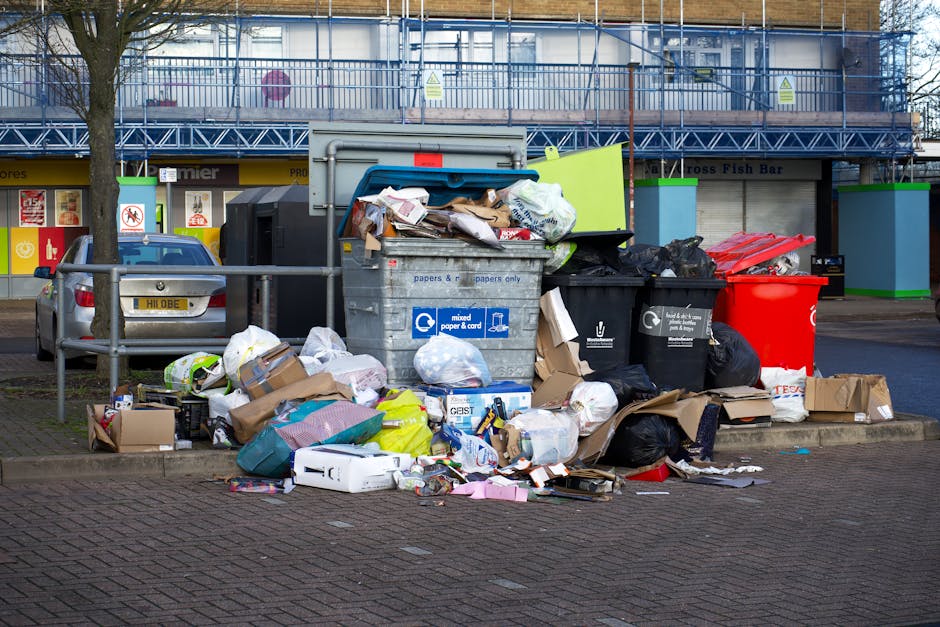
Harrow Council mattress disposal rules and cleaning options
If you have an old mattress leaning against the wall, damp from a leak, or simply past its best, the decision can feel more awkward than it should. Do you book a bulky waste collection, try a tip run, or see whether cleaning will buy you more time? In Harrow, the answer depends on the mattress condition, how urgently you need it gone, and whether there's any realistic chance of salvaging it.
This guide breaks down Harrow Council mattress disposal rules and cleaning options in plain English. You'll get a practical way to judge what to do next, what usually goes wrong, and how to choose between disposal and professional cleaning without wasting money or making a mess of the whole thing. Because let's face it: mattresses are bulky, a bit grimy, and never easy to deal with at 8am on a weekday.
Why Harrow Council mattress disposal rules and cleaning options Matters
A mattress is not just another bit of household waste. It is large, awkward to handle, and often made from mixed materials like fabric, foam, springs, and fire-retardant layers. That mix matters, because it affects both disposal and cleaning.
In practice, most people are trying to solve one of three problems. The mattress is worn out and must go. It has stains or odours and might still be usable after cleaning. Or it has been damaged by pets, spills, mould, or bed bugs, and the safest choice is not obvious. Harrow Council mattress disposal rules and cleaning options sit right at that crossroads.
Why does this matter so much? Because choosing badly can mean missed collections, fly-tipping risks, wasted cleaning costs, or a mattress that keeps causing hygiene problems. A wet mattress left in a hallway is not an innocent inconvenience either. It can smell, harbour mould, and make a bedroom feel oddly oppressive. You notice it every time you walk past.
There's also the local angle. In busy London households, storage space is tight. A mattress waiting "just until next weekend" can block access, attract dust, and become a nuisance very quickly. That's why a simple, realistic decision process is so useful.
Expert summary: If the mattress is structurally sound and the issue is mainly stains, smells, or surface contamination, cleaning is often worth exploring first. If there is severe mould, pests, or broken structure, disposal is usually the safer route.
How Harrow Council mattress disposal rules and cleaning options Works
At a high level, the process is straightforward. First, identify the mattress condition. Then decide whether it is fit for cleaning, fit for reuse, or only fit for disposal. After that, choose the most practical route based on time, effort, and hygiene.
Step 1: assess the mattress honestly
Look at the mattress in daylight if you can. Check for sagging, broken springs, deep set stains, odours, damp patches, frayed seams, and any signs of pests. If the mattress still has decent support and the damage is mostly surface-level, cleaning may help. If it is collapsing in the middle or has a persistent musty smell that keeps returning, disposal is usually the better call.
Step 2: work out whether cleaning would be enough
Mattress cleaning is best when the goal is to remove everyday dirt, sweat marks, food spills, pet odours, or isolated stains. A proper clean can refresh the sleeping surface and improve hygiene. It will not rebuild worn foam or make a mattress structurally sound again, though. That part needs to be said plainly.
For households dealing with spills, allergens, or pet odours, the mattress cleaning service can be a practical alternative to immediate disposal, especially if the mattress is otherwise in good shape.
Step 3: decide on the disposal route if cleaning is not enough
If the mattress is beyond saving, disposal needs to be handled properly. Harrow residents should follow the council's current bulky waste and household waste guidance, and use approved disposal channels rather than leaving the mattress on the street or outside a property. That may sound obvious, but people do it all the time when they are in a hurry. It never ends well.
Common routes include a council bulky waste collection, a recycling or waste facility visit if permitted for your circumstances, or a licensed private collection service. The best option depends on access, timing, and how quickly you need the mattress removed.
Step 4: prepare it correctly
Before any collection or cleaning visit, clear access, remove bedding, and make sure the mattress is dry enough to handle safely. If the mattress has a protector, take that off too. It sounds basic, but it saves time and prevents confusion on the day.
Key Benefits and Practical Advantages
Once you understand the disposal and cleaning decision, the benefits are surprisingly practical.
- Cleaner sleeping conditions: removing stains, sweat build-up, and odours makes a bedroom feel fresher.
- Less waste: if a mattress can be cleaned and kept in use, that is one less bulky item heading out immediately.
- Better value: cleaning can cost less than replacement, especially when the mattress is otherwise sound.
- Less hassle: proper disposal avoids the stress of trying to hide a mattress in a tiny flat or hallway.
- Improved hygiene: this matters especially after illness, pet accidents, or damp incidents.
There's a quiet benefit too: peace of mind. Sleeping on a mattress you trust is a small thing, but it changes how a room feels at night. Less guessing. Less fuss.
If you are also refreshing other soft furnishings at the same time, it can make sense to combine services such as upholstery cleaning, sofa cleaning, or even carpet cleaning so the whole room feels properly reset.
Who This Is For and When It Makes Sense
This topic matters to a lot of people, and not just landlords or homeowners. Students, renters, families with children, pet owners, Airbnb hosts, and even small businesses with sleeping accommodation can run into the same issue.
Typical situations where cleaning makes sense
- Fresh food or drink spill on an otherwise good mattress
- Pet odours or light stains that have not fully soaked through
- General freshness issues from long-term use
- Allergen reduction before keeping the mattress in service
Typical situations where disposal makes more sense
- Deep mould or repeated damp damage
- Visible bed bug activity or suspected infestation
- Severe sagging or broken support
- Large, old, or heavily contaminated mattresses
If you are a landlord or managing a rental turnover, the decision can be especially time-sensitive. Sometimes the mattress is fine but just needs a hygienic refresh. Other times, it is simply not worth the delay. A quick, honest inspection is the best start.
Step-by-Step Guidance
Here is a sensible, no-nonsense way to handle the problem from start to finish.
- Check the condition in good light. Look for stains, odours, tears, mould, and sagging.
- Decide whether the mattress is structurally sound. If the base support is failing, cleaning will not fix that.
- Separate surface issues from deep damage. Surface marks and odours are often treatable; damp and pest issues are more serious.
- Consider mattress cleaning if the core is still good. This is especially useful for recent spills or day-to-day grime.
- Choose disposal if hygiene or structure is compromised. Do not keep a mattress around just because it feels wasteful. Sometimes it is the correct call.
- Book the correct route. Use Harrow Council's current bulky waste guidance or a suitable private collection if that is the more practical option.
- Prepare access and protect floors. Mattresses are awkward; they scrape walls if you let them.
- Ask for advice if you are unsure. A quick assessment often saves a lot of second-guessing.
One small but useful point: if the mattress has a persistent smell after airing out, that is often a clue that the issue is deeper than surface dirt. You know the type - that slightly sour, damp, old-room smell that hangs in the air. Cleaning can help, but there are limits.
Expert Tips for Better Results
These are the little things that make a big difference.
- Act quickly after a spill. The sooner you deal with it, the better the result.
- Do not soak the mattress. Over-wetting creates drying problems and can make odours worse.
- Use a mattress protector after cleaning. It is one of the simplest ways to prevent repeat issues.
- Air the room properly. Drying matters as much as cleaning. Open windows if conditions allow.
- Test for recurring odour after 24 hours. If the smell returns, the problem may be deeper in the layers.
- Keep other soft furnishings in mind. A dirty mattress can make a clean room feel off, and vice versa. Funny how that works.
If the issue is pet-related, the odour often travels beyond the mattress itself. In those cases, pairing mattress treatment with pet stain and odour removal or targeted stain removal can make the room feel properly clean rather than just masked.
And yes, it is worth asking questions before you book anything. Is the mattress worth saving? Has the stain gone through to the filling? Will it dry in time? Those questions save hassle later.
Common Mistakes to Avoid
People tend to make the same mistakes with mattress disposal and cleaning. None of them are dramatic on their own, but together they cause trouble.
- Leaving the mattress outside too early. That invites weather damage and can create an eyesore.
- Trying to clean severe mould at home. Surface wiping is not enough if contamination is established.
- Ignoring smell as a warning sign. Odour often points to moisture, not just dirt.
- Forcing a collection without checking access. Tight stairwells and narrow halls are where mattresses become awkward very quickly.
- Assuming every stain is permanent. Some are, some are not. It depends on the source and how long it has been there.
- Mixing disposal and donation without inspection. If a mattress is damaged or unhygienic, it should not be passed on casually.
To be fair, a lot of these mistakes come from trying to save time. But a rushed decision usually costs more in the end.
Tools, Resources and Recommendations
You do not need a huge toolkit here. Just a few sensible basics.
- Gloves: useful when handling stained or dusty mattresses.
- Vacuum cleaner with upholstery attachment: good for removing loose dust and debris before cleaning.
- Clean towels or cloths: handy for blotting spills.
- Mild mattress-safe cleaning products: always used carefully and according to the product instructions.
- Mattress protector: the easiest long-term prevention tool, honestly.
If you are comparing service options, it helps to look at the provider's approach to safety, payments, and service standards. On this website, useful background pages include health and safety information, insurance and safety details, pricing and quotes, and recycling and sustainability information.
That last one matters more than many people expect. Mattress disposal is not just about getting something out of the house. It is also about handling waste responsibly, especially where recyclable components may be involved.
Law, Compliance, Standards, or Best Practice
Without turning this into a legal essay, it is worth knowing the broad principles. In the UK, household waste should be disposed of through approved waste routes, and bulky items should not be abandoned, fly-tipped, or left in a place where they can become a hazard or nuisance.
For mattresses, best practice usually means:
- using an authorised collection or disposal route
- following the relevant council guidance for bulky waste
- keeping shared walkways and pavements clear
- making sure any cleaner or collection provider handles items safely
If the mattress may contain pests, mould, bodily fluids, or other contamination, extra care is sensible. That does not automatically mean specialist disposal is required in every case, but it does mean you should be cautious about moving it around the home or passing it on. Health and hygiene should come first.
For business premises or rented accommodation, there can also be added obligations around property condition, tenant handover, and safe waste management. The exact requirements vary, so it is better to check the council guidance and your own property responsibilities rather than guessing. Guessing is rarely a strategy.
Options, Methods, or Comparison Table
Here is a straightforward comparison of the main choices.
| Option | Best for | Pros | Limitations |
|---|---|---|---|
| Professional mattress cleaning | Stains, odours, light contamination, freshness | Can extend mattress life, improves hygiene, often faster than replacement | Won't fix structural damage, mould, or pest problems |
| Council bulky waste disposal | Mattresses that are worn out or no longer safe to use | Clear, responsible disposal route, avoids leaving waste out | May require waiting for a slot or following booking rules |
| Private licensed collection | Urgent removals or access difficulties | Flexible timing, convenient for awkward jobs | Can cost more depending on access and volume |
| Keep and clean at home | Small surface stains or fresh spills | Low cost if the issue is minor | Risk of over-wetting or incomplete drying |
In simple terms: if the mattress is basically sound, cleaning can be the smart move. If it is failing, dispose of it properly and move on. Not glamorous, but sensible.
Case Study or Real-World Example
A typical Harrow household scenario goes like this. A couple notices a stale odour in the spare room after a leak near the window. The mattress looks okay at first glance, but there is a faint damp patch near one edge and a couple of older marks from tea spills. It is not sagging, and the room itself has dried out.
They could have thrown it away immediately. Instead, they checked the mattress carefully, found no sign of mould or infestation, and booked a professional clean. The key was speed. The stain had not set fully, the odour was still localised, and the mattress core was intact. After cleaning and proper drying, the mattress remained usable.
Now imagine the alternative. Same room, but the leak has been ongoing for weeks. The smell is musty, the base feels soft, and there are dark patches around the seams. In that version, cleaning is probably a false economy. Disposal is the safer and more honest answer.
That's the real decision here. Not "clean or throw away" in the abstract. It is "what is the mattress actually telling you?"
Practical Checklist
Use this quick checklist before you choose a path.
- Is the mattress structurally sound?
- Are the stains surface-level or deep?
- Is there any mould, damp, or pest concern?
- Has the smell improved after airing?
- Do you need the mattress removed urgently?
- Is cleaning likely to extend its life in a meaningful way?
- Can the mattress be moved safely without damaging walls or stairs?
- Have you checked the latest Harrow Council bulky waste guidance?
- Would combining it with other cleaning make the result better?
- Have you arranged a safe, dry place for the mattress while waiting for collection or cleaning?
If you can answer "yes" to most of the cleaning-friendly questions, the mattress may be worth saving. If the red flags stack up, disposal is probably the right call. Simple as that.
Conclusion
Harrow Council mattress disposal rules and cleaning options are really about making a practical, responsible choice. If the mattress is still structurally good, cleaning can restore freshness and buy you more use from it. If it is worn out, contaminated, or unsafe, disposal through the proper channel is the right move.
The main thing is not to rush. Take a close look, weigh up the smell, condition, and hygiene risks, and choose the route that makes the most sense for your home or property. A good decision here saves money, clears space, and avoids a lot of unnecessary faff.
And if you are still undecided, that is perfectly normal. This is one of those jobs that looks simple until you are standing there with the mattress half out of the room and wondering what on earth to do next. Take it one step at a time, and you will get it sorted.
Get a free quote today and see how much you can save.
Frequently Asked Questions
Can I clean a mattress instead of disposing of it?
Yes, if the mattress is still structurally sound and the issue is mainly stains, odours, or surface dirt. Cleaning is not a fix for sagging, mould, or pest damage, though.
What is the best option for a mattress with a bad smell?
If the smell is mild and the mattress is otherwise in good condition, professional cleaning may help. If the smell is musty, persistent, or linked to damp, disposal is often the safer choice.
Does Harrow Council collect mattresses as bulky waste?
Harrow Council has guidance for bulky waste and household items, and mattresses are typically dealt with through an approved bulky waste route. Check the current council process before booking or leaving anything out.
Can a stained mattress be cleaned successfully?
Often, yes. Fresh or light stains can sometimes be improved significantly. Deep, old, or biologically contaminated stains are more difficult and may not be worth the cost.
How do I know if a mattress is beyond cleaning?
Look for sagging, broken support, mould, persistent damp smell, or signs of pests. If more than one of those is present, cleaning is unlikely to be enough.
Is it okay to leave a mattress outside for collection?
Only if it is part of the approved collection process and you follow the instructions given. Leaving mattresses out too early can create problems with weather, obstruction, or fly-tipping concerns.
What should I do before a mattress cleaning appointment?
Remove bedding, make access clear, and check for any obvious hazards. If possible, let the mattress air a little beforehand so the cleaner can assess it properly.
Can pet stains be removed from a mattress?
Sometimes, yes, especially if treated quickly. For deeper odours or repeated accidents, you may need more than a basic surface clean.
Is mattress cleaning cheaper than replacement?
Usually, yes, but only if the mattress is still worth keeping. If the core is failing, spending on cleaning may not be sensible.
What if I am a landlord or letting agent dealing with a mattress quickly?
Then speed, hygiene, and access matter most. Decide whether the mattress can be cleaned to an acceptable standard or whether it should be removed and replaced without delay.
Can I combine mattress cleaning with other home cleaning?
Absolutely. It often makes sense to tackle nearby soft furnishings at the same time, especially if the room has been affected by spills, pets, or dust. A joined-up clean tends to feel more complete.
Where can I get help if I am unsure what to choose?
Start with the mattress condition itself, then compare the likely outcome of cleaning versus disposal. If you want support with the cleaning side, the site also covers services such as mattress cleaning, upholstery cleaning, and steam carpet cleaning, which can help you judge the broader cleaning plan for the room.