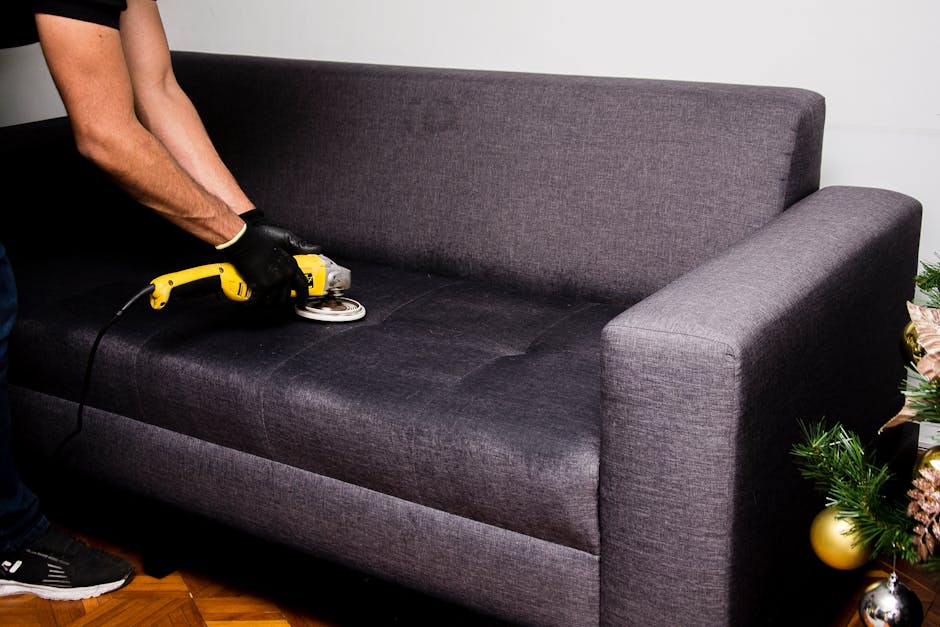
Upholstery cleaning Northwick Park for busy families: a practical guide for homes that never really stop
If you live in Northwick Park and your home is full of school bags, snack crumbs, muddy shoes, pets, toys, and the occasional half-spilt juice cup, you already know the truth: upholstery gets tired fast. Upholstery cleaning Northwick Park for busy families is not just about making a sofa look better for a day or two. It is about keeping the busiest room in the house fresher, more comfortable, and easier to live with.
And let's face it, a family sofa takes a beating. It is where children tumble after school, where adults finally sit down with a cup of tea, where snacks appear during film night, and where life happens. This guide explains what upholstery cleaning involves, how it works, what to expect, and how busy households can get the best results without adding more stress to an already packed week.
Table of Contents
- Why upholstery cleaning matters for busy families
- How the cleaning process works
- Key benefits and practical advantages
- Who this service is for and when it makes sense
- Step-by-step guidance
- Expert tips for better results
- Common mistakes to avoid
- Tools, resources and recommendations
- Law, compliance, standards, and best practice
- Options, methods, and comparison table
- Case study or real-world example
- Practical checklist
- Conclusion
- Frequently asked questions
Why Upholstery cleaning Northwick Park for busy families Matters
Busy family life is brilliant, but it is rarely tidy. Sofas, armchairs, dining chairs, ottomans, and even nursery seating collect a mix of everyday mess that vacuuming alone cannot fully remove. Dust, skin flakes, food residue, drink marks, and trapped odours build up gradually, so by the time you notice the sofa looks dull, it has usually been holding onto grime for a while.
In Northwick Park, where homes often need to work hard for family routines, upholstery cleaning is one of those jobs that quietly improves everyday life. It is not a luxury add-on. It helps preserve furniture, improves the feel of the room, and can make your space feel calmer, which sounds small until you are trying to unwind on a Friday night and the cushions smell faintly of yesterday's dinner. Not ideal.
There is also a practical side. Upholstered furniture can trap allergens and lingering smells more easily than hard surfaces. While cleaning is not a medical solution, regular care can make a noticeable difference to how fresh a home feels, especially where children, guests, and pets all share the same seating.
Expert takeaway: for busy households, upholstery cleaning is less about perfection and more about maintaining a clean, comfortable, low-stress home environment that can keep pace with daily life.
If you are comparing providers or simply checking how to plan the work around school runs, nap times, and work calls, it helps to start with the basics. You can also review practical company information such as the team's background and approach and the company's health and safety policy before booking.
How Upholstery cleaning Northwick Park for busy families Works
Professional upholstery cleaning usually follows a sensible sequence. The exact method depends on the fabric, the age of the furniture, and the type of soiling, but the process is generally straightforward. That matters for families because a good clean should fit around the home, not turn the home upside down.
First comes inspection. A cleaner should check the fabric type, condition, and any visible marks, then identify whether the upholstery is suitable for wet cleaning, low-moisture cleaning, or a more delicate approach. This step is important. Different fabrics behave differently, and treating them all the same is where avoidable problems begin.
Next is preparation. Loose debris is removed, the upholstery is vacuumed thoroughly, and problem areas are pre-treated if appropriate. Ground-in marks on armrests, headrests, and seat fronts are common in family homes, especially on the side nearest the hallway or television. You know the spot. Everyone does.
Then comes the actual cleaning method. Many fabrics are cleaned using hot water extraction or low-moisture techniques, depending on the fibre and condition. The cleaner applies a suitable solution, lifts the dirt from the fibres, and removes as much residue as possible. On delicate upholstery, the process may be more conservative so the fabric is protected.
Finally, drying and finishing. Good airflow, correct product use, and careful technique all help the upholstery dry properly. A reputable provider should explain drying expectations clearly, because busy families need to plan around real life, not guesswork. If children are likely to be climbing all over the sofa by teatime, you will want a clear time frame.
For financial clarity and booking expectations, it can also help to look at pricing and quotes and the company's terms and conditions before confirming a visit.
Key Benefits and Practical Advantages
There are obvious benefits, and then there are the quieter ones that families appreciate after the job is done. Both matter.
- Freshens the room fast: upholstery is one of the biggest soft surfaces in a home, so cleaning it can make the whole room feel brighter.
- Helps reduce trapped odours: food, sweat, pet smells, and general family-life odours cling to fibres over time.
- Supports a cleaner feel between deep cleans: when upholstery is maintained well, the whole house seems easier to keep under control.
- Protects your furniture investment: regular care can slow visible wear and reduce the risk of stains becoming permanent.
- Makes family living more comfortable: a clean sofa is simply nicer to sit on. No mystery sticky patch. No lingering smell. Much better.
There is also a time-saving advantage. Busy families do not want a cleaning project that drags on for an entire weekend. A professional approach can be far more efficient than doing it yourself with store-bought sprays, kitchen towels, and optimism. To be fair, that has its place, but not when the sofa needs proper attention.
Another important point is consistency. If you clean upholstery regularly, stains are less likely to become part of the furniture's story. Family homes often have recurring little accidents, so routine maintenance is usually more effective than waiting until everything looks rough all at once.
Who This Is For and When It Makes Sense
This service is especially useful for households where furniture gets used hard and often. That includes young families, homes with pets, shared family lounges, and anyone trying to keep a presentable living room while real life is happening in the background.
It also makes sense if you have specific problems such as:
- spilled juice, milk, coffee, or sauces on fabric seating
- darkened armrests and headrests from daily use
- pet fur and odours embedded in cushions
- general dullness or patchy colour where dirt has built up
- a move, new baby, or special occasion coming up
- furniture that is clean on the surface but still does not feel fresh
It may also be a sensible option if one parent is working from home and the sofa doubles as a waiting room, snack station, and after-school rest area. That is a lot of jobs for one piece of furniture. Honestly, the sofa deserves a medal.
If you are unsure whether your upholstery needs cleaning now or later, ask yourself a simple question: does the room feel clean only when you look at it, or does it also smell and feel clean when you sit down? That distinction is surprisingly useful.
Step-by-Step Guidance
Here is a practical way to approach upholstery cleaning without making it more complicated than it needs to be.
- Identify the furniture and fabric type. Check labels where possible and note any damage, fading, or prior cleaning attempts.
- Decide what matters most. Is it a stain, odour, allergens, or general wear? The goal helps shape the method.
- Clear the area. Move toys, blankets, loose cushions, and anything that could slow the process. A small bit of prep saves time later.
- Vacuum thoroughly. This removes crumbs, hair, and loose debris so cleaning solutions can work properly.
- Pre-treat problem areas carefully. Spills, marks, and high-use zones may need extra attention. Not every stain should be attacked the same way.
- Use the appropriate cleaning technique. Wet cleaning, low-moisture cleaning, or gentle hand cleaning may be chosen depending on the fabric.
- Allow enough drying time. Good airflow matters. Open windows if suitable, but avoid rushing the process with heat that could damage fibres.
- Finish with a final check. Inspect seams, cushions, and corners. These are the places where dirt likes to hide.
One small but useful clarification: not every mark can be removed completely, especially if it is old, heat-set, dyed in by food colouring, or has already been scrubbed into the fibres. Good cleaners should explain that honestly rather than overpromising. That kind of honesty builds trust fast.
Expert Tips for Better Results
In our experience, the best results usually come from a combination of timing, fabric awareness, and sensible restraint. Here are a few tips that genuinely help.
Act early on fresh spills
If a spill happens, blot it gently with a clean cloth. Do not rub. Rubbing pushes the liquid deeper and can spread the stain wider. This sounds basic, but it is one of the most common reasons a small accident becomes a bigger one.
Test products before using them
If you are trying a spot treatment at home, always test it in a hidden area first. Some fabrics lighten, stiffen, or react strangely. A patch test can save you a lot of regret.
Think in terms of fabric care, not just stain removal
Sometimes the aim is not to make the upholstery look brand new. Sometimes the smarter aim is to improve freshness, remove odours, and lift the most visible marks without stressing the fabric. That balanced approach is often the right one.
Plan around family routines
A cleaner visit is easier when you think ahead about school runs, naps, work calls, and meal times. If you have a younger child who loves the sofa, timing matters. A dry, undisturbed window after cleaning is worth protecting.
Ask about drying and aftercare
Good aftercare advice is part of good service. You should know when it is safe to use the furniture, whether cushions should be rotated, and what to do if a mark reappears as the fabric dries. Sometimes residues rise to the surface after drying; that is normal enough and easy to manage with the right guidance.
For households who care about safer products or greener routines, it is also reasonable to ask about cleaning methods connected to recycling and sustainability. A practical home can still make thoughtful choices.
Common Mistakes to Avoid
Most upholstery mistakes are not dramatic. They are small, rushed, and very human. Which is exactly why they happen so often.
- Over-wetting the fabric: too much moisture can lead to longer drying times, water marks, or fabric distortion.
- Using the wrong product: a cleaner that works on one textile may damage another.
- Scrubbing too hard: aggressive rubbing can fray fibres and spread stains.
- Ignoring the manufacturer's care label: that tiny tag is more useful than it looks.
- Not checking for colour transfer: some fabrics bleed or fade if treated badly.
- Putting cushions back too early: trapping moisture can create smell issues and slow drying.
Another mistake is waiting too long. Families often tell themselves they will deal with it during the next quieter weekend. Then that weekend becomes a birthday, a football match, a nursery deadline, or, well, life. If the upholstery is starting to affect how the room feels, it may already be time.
Tools, Resources and Recommendations
You do not need a house full of specialist kit to maintain upholstery well, but a few basics make a big difference.
- Vacuum cleaner with upholstery attachment: useful for regular maintenance and removing crumbs from seams.
- Microfibre cloths: good for gentle blotting and light surface care.
- Soft brush: helps lift surface dust from textured fabrics without being too harsh.
- Clean white towels: handy for blotting spills, especially where colour transfer is a concern.
- Simple notebook or phone note: useful for recording what was spilled, when, and what was used on it.
For service-related reassurance, practical pages such as insurance and safety information and payment and security details can help busy families decide whether a provider feels organised and trustworthy before they book.
If you prefer to understand the business behind the service, the about us page is also useful. It can tell you a bit about the company's values, which matters more than people sometimes admit. When someone is working in your home, that trust factor is a big deal.
Law, Compliance, Standards, and Best Practice
For upholstery cleaning in a family home, the biggest compliance issues are usually practical rather than legal in the dramatic sense. A reputable provider should work safely, treat your property with care, and be clear about what they can and cannot promise.
In the UK, good practice usually means:
- using appropriate cleaning methods for the fabric type
- working carefully around children, pets, and household belongings
- being clear about drying times, access needs, and any risks to delicate materials
- handling chemicals responsibly and following product instructions
- respecting your privacy and property while working in your home
If you want more reassurance before booking, look for straightforward policy pages such as health and safety guidance, privacy information, and terms and conditions. Those pages help set expectations clearly, which is especially helpful when life is busy and you do not want surprises.
There is also a customer service side to best practice. If something does not go to plan, a clear complaints procedure is a good sign that the company takes accountability seriously. That is not just a formal detail. It tells you they expect to be answerable, which is what you want in any home service.
Options, Methods, and Comparison Table
Different upholstery-cleaning approaches suit different homes. The best choice depends on fabric type, level of soiling, drying time, and how much disruption your family can realistically handle.
| Method | Best for | Strengths | Watch-outs |
|---|---|---|---|
| Hot water extraction | Durable fabrics with heavier soil build-up | Deep cleaning, strong soil removal, good for general refreshes | Can mean longer drying time if overused or poorly managed |
| Low-moisture cleaning | Busy homes needing a quicker turnaround | Faster drying, less disruption, useful for maintenance cleans | May be less suitable for very heavy staining on some materials |
| Targeted spot cleaning | Fresh marks or isolated problem areas | Quick, focused, cost-effective when used correctly | Not ideal as a full substitute for whole-piece cleaning |
| Delicate hand cleaning | Fragile or specialty fabrics | Gentler approach, better fabric protection | Often slower and requires more judgement |
If you are a family trying to fit cleaning around normal life, drying time is often the deciding factor. A method that gives a lovely deep clean but leaves the sofa off-limits all afternoon may not be the best fit for everyone. Sometimes convenience wins, and that is perfectly reasonable.
Case Study or Real-World Example
A Northwick Park family with two children and a dog booked an upholstery clean after noticing the living-room sofa had become visibly dull around the seat cushions and smelled faintly of pet odour after damp weather. Nothing dramatic, just that low-level tiredness that builds up over time.
Before the visit, they cleared toys and throws, vacuumed the sofa, and made a note of the worst marks: a chocolate smear on one arm, a drink ring on a cushion edge, and a patch where the dog liked to curl up each evening. The cleaner inspected the fabric first, chose a suitable method, and focused extra attention on the high-use areas while keeping the cleaning controlled enough to avoid unnecessary wetting.
The main result was not just visual. The room felt easier to live in. The family said the sofa no longer had that stale background smell, and the children were less likely to treat it as a permanent snack zone because it simply looked cared for again. Funny how that works, really. A cleaner sofa can quietly reset the tone of a room.
The useful lesson? Families do not always need a dramatic transformation. They usually need a clean, reliable result that fits around school, work, and bedtime. That is the real job.
Practical Checklist
Use this simple checklist before arranging upholstery cleaning at home.
- Identify the furniture pieces that need attention
- Check the fabric type or care label if available
- Note any stains, odours, or damage areas
- Move small items, toys, and loose cushions out of the way
- Decide whether your priority is stain removal, freshness, or maintenance
- Ask about expected drying time
- Confirm how access, parking, or building entry should be handled
- Review the provider's safety, insurance, and pricing information
- Plan a clear drying window after the job
- Keep children and pets away from the upholstery until it is ready
This checklist seems simple, but it prevents most of the annoying little problems that slow a clean down. And those little problems are usually what make a busy day feel even busier.
Get a free quote today and see how much you can save.
Conclusion
Upholstery cleaning Northwick Park for busy families is really about making home life easier. Clean seating changes how a room feels, how it smells, and how much effort you need to keep it looking presentable. For families balancing work, school, pets, and everything else, that matters more than most people realise at first.
The best approach is usually simple: choose the right cleaning method for the fabric, prepare the room sensibly, set realistic drying expectations, and work with a provider who communicates clearly. That way you get the comfort and freshness you want without unnecessary hassle. No drama, no guesswork, just a better everyday space.
If your sofa or chairs are starting to feel a bit worn by family life, that is not a failure. It is just a sign they have been well used. A proper clean can give them a second wind, and sometimes that is exactly what a home needs.
When the room feels easier to settle into at the end of the day, everything else gets a little lighter too.
Frequently Asked Questions
How often should busy families book upholstery cleaning?
There is no single rule that fits every household, but many families find that regular maintenance is more effective than waiting until the furniture looks visibly dirty. Homes with children or pets may need cleaning more often than quieter households.
Can upholstery cleaning remove old stains?
Sometimes, yes, but not always completely. It depends on the fabric, the type of stain, how long it has been there, and whether it was previously treated. A good cleaner should give honest expectations before starting.
How long does upholstery take to dry?
Drying time depends on the cleaning method, the fabric, room ventilation, and how much product or moisture was used. Low-moisture methods tend to dry faster, while deeper wet cleaning may take longer.
Is upholstery cleaning safe for children and pets?
It can be, provided suitable products and methods are used and the furniture is left to dry properly before normal use. It is sensible to keep children and pets away from cleaned upholstery until it is fully ready.
What is the best upholstery cleaning method for family homes?
That depends on the fabric and the level of soil. Durable fabrics may benefit from deep cleaning, while busy homes often prefer methods that dry more quickly and cause less disruption. The right method is the one that suits both the material and your routine.
Do I need to vacuum before the cleaner arrives?
If you can, yes. Removing loose crumbs, pet hair, and surface dust helps the cleaning process work more effectively. It also saves time, which is useful when your day is already packed.
What should I do with cushions and throws before cleaning?
Move them off the furniture so the cleaner can access all areas properly. It also helps to clear toys, blankets, and any small objects from the room. A bit of prep goes a long way.
Can upholstery cleaning help with pet smells?
Yes, it often helps reduce trapped odours caused by pets, food, and everyday use. Results vary depending on the fabric and how deeply the smell has settled, but a proper clean usually makes a noticeable difference.
How do I know if my sofa fabric is suitable for wet cleaning?
Check the care label if available, and ask the cleaner to inspect the fabric before starting. Some materials handle moisture well, while others need a gentler or lower-moisture approach.
Is it worth paying for professional upholstery cleaning instead of doing it myself?
For many busy families, yes. A professional can usually assess the fabric, choose the right technique, and avoid common mistakes like over-wetting or using the wrong product. DIY can be fine for light maintenance, but it is not always the best choice for deeper cleaning.
What should I ask before booking an upholstery clean?
Ask about the cleaning method, expected drying time, pricing, insurance, and what happens if a stain does not fully come out. It is also sensible to check the company's policies so there are no surprises later.
How do I keep upholstery cleaner for longer after the service?
Vacuum regularly, deal with spills quickly, rotate cushions where possible, and avoid letting food and drinks turn the sofa into a permanent dining area. That last one is easier said than done, of course, but it helps.